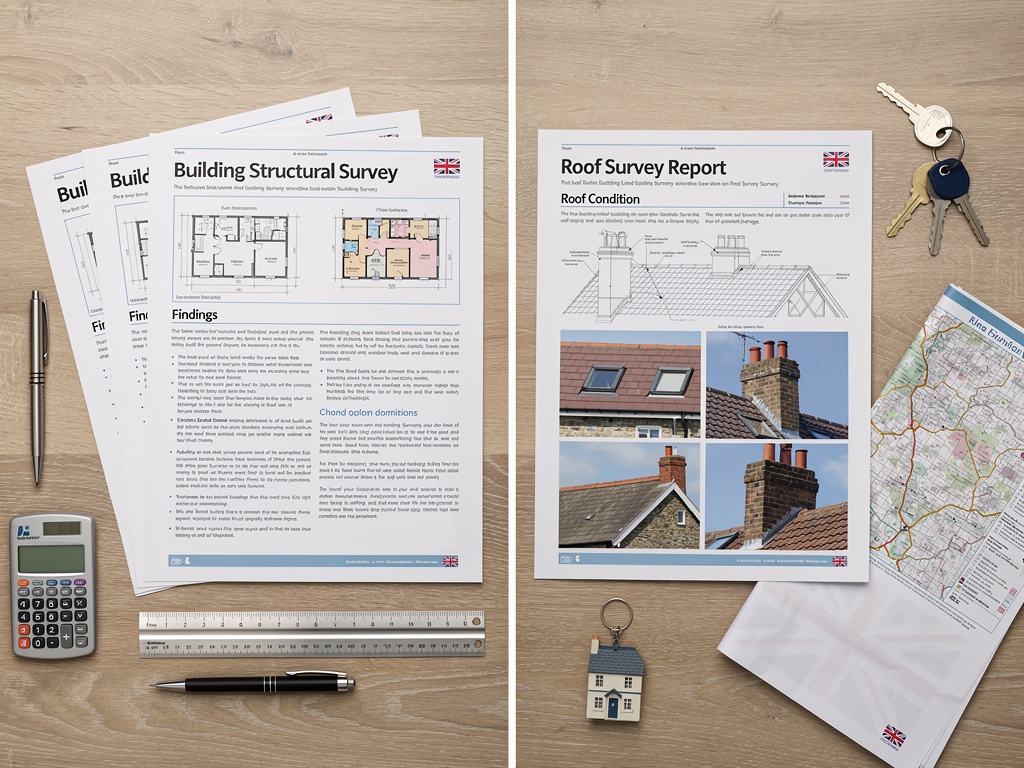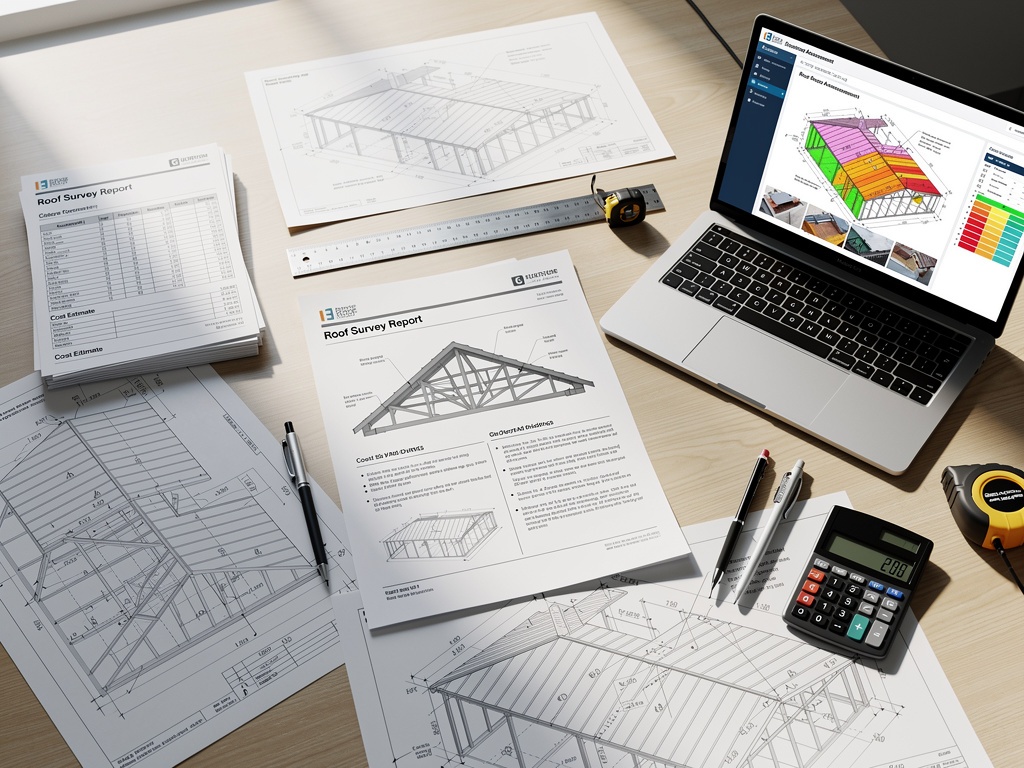
The first time someone receives a roof survey report, they sometimes find it a little overwhelming. There are technical terms, condition ratings, priority categories and photographs with annotations. It all looks very official — which is good — but what does it all actually mean?
At Roof Surveyor London, we deliberately write our reports in plain English. We avoid jargon wherever possible and explain any technical terms we do need to use. But we thought it would be helpful to walk through exactly what a professional roof survey report includes and how to use it.
Section 1: Property and Survey Details
Every professional report starts with the basics: the property address, the survey date, the surveyor's name and professional accreditation, and the inspection methodology used (for example, whether the roof was physically accessed, inspected from the loft space, or surveyed by drone). This section also confirms the scope of the survey — what was and wasn't inspected, and why.
It's important to read this section carefully. If there were areas the surveyor couldn't access — perhaps a particular section of roof was covered in scaffolding, or the loft hatch was sealed — these will be noted here as limitations. This doesn't mean the rest of the report is invalid; it means you should seek further information on those specific areas if relevant to your decision.
Section 2: Executive Summary
This is the section most clients read first, and quite rightly. Our executive summary gives you the headline position on the roof's overall condition in clear, non-technical language. We describe the general standard, highlight the most significant findings and summarise the recommended actions.
If the roof is in good condition with only minor maintenance recommended, we say so clearly. If there are significant defects requiring urgent attention, we say that clearly too — and explain what they mean in practice.
Section 3: Element-by-Element Assessment
This is the detailed heart of the report. We assess each element of the roof individually, providing our observations, any defects identified, and the condition rating for that element. Here's what we cover:
- Roof Covering: Tiles, slates, felt, GRP, EPDM or whatever material is used. We assess condition, security, coverage and estimated remaining service life.
- Ridge, Hip and Valley Details: The condition of mortar bedding, ridge tiles or dry-fix systems on all ridges and hips; valley condition and material.
- Chimney Stacks: Each chimney stack individually — brickwork condition, pointing, chimney pot bedding, lead flashing and step flashing.
- Flat Roof Elements: Where present — membrane condition, falls, drainage, upstands and any penetrations.
- Gutters and Downpipes: Material, condition, alignment, blockages and evidence of water overflow damage.
- Soffits and Fascias: Material and condition; any evidence of rot, damage or water ingress.
- Roof Structure (Loft Space): Where accessible — rafter and purlin condition, any evidence of movement, water staining, timber decay or inadequate ventilation.
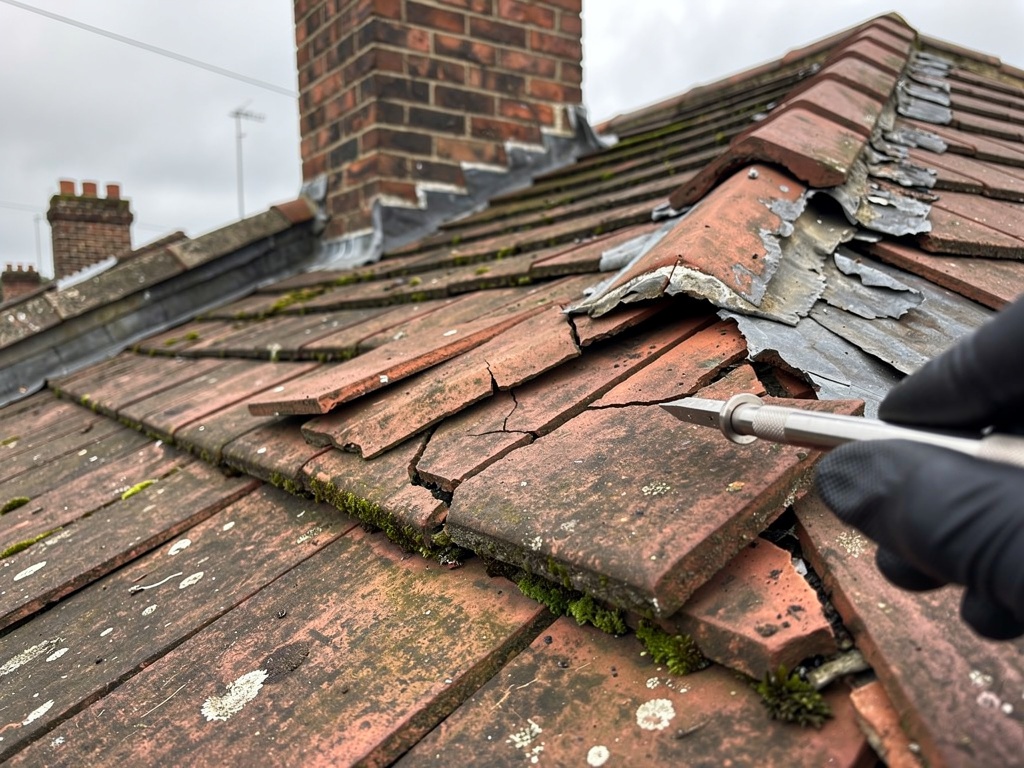
Section 4: Condition Ratings
Each element is given a condition rating. At Roof Surveyor London we use a simple three-tier system:
- Good: Element is in satisfactory condition with no defects identified. No action required at this time.
- Fair: Element shows signs of wear or minor defects. Maintenance recommended within the next 12 months.
- Poor: Element has significant defects requiring attention. Action recommended urgently or within 3 months.
We also add a final category — Not Inspected — for any elements that could not be safely or practically assessed during the survey.
Section 5: Photographic Evidence
All defects are documented with clearly labelled photographs. Each photograph includes a caption explaining what is shown and why it matters. For drone surveys, the annotated aerial images are included in this section and can be particularly revealing in showing the scale and distribution of any issues across the roof plane.
Section 6: Priority Recommendations and Cost Guidance
This is often the most immediately useful section for buyers and sellers. We categorise all recommended actions by priority (urgent, necessary, or advisory) and provide indicative cost guidance based on current UK contractor rates. These are not quotes — we're surveyors, not contractors — but they're realistic ballpark figures based on our extensive knowledge of the repair market, updated regularly.
This section is what enables you to:
- Decide whether to proceed with a purchase
- Negotiate on purchase price with documented evidence
- Budget for post-purchase repairs
- Plan a maintenance programme for a property you already own
How to Use Your Roof Survey Report
Read the executive summary first, then the priority recommendations section. Then go back through the element-by-element assessment for the specific detail. If you find anything you don't understand, call us — we're happy to talk through any section of the report with you.
If the report identifies significant defects, we recommend sharing it with the seller's solicitor as part of any negotiation. A report from an accredited surveyor carries weight that an informal observation never will.