A roof leak is one of the most stressful things a homeowner or property buyer can face. The problem isn't just the immediate water damage — it's the uncertainty. Where is it coming from? How bad is it? How much will it cost to fix? And perhaps most frustratingly: who do you trust to tell you the truth?
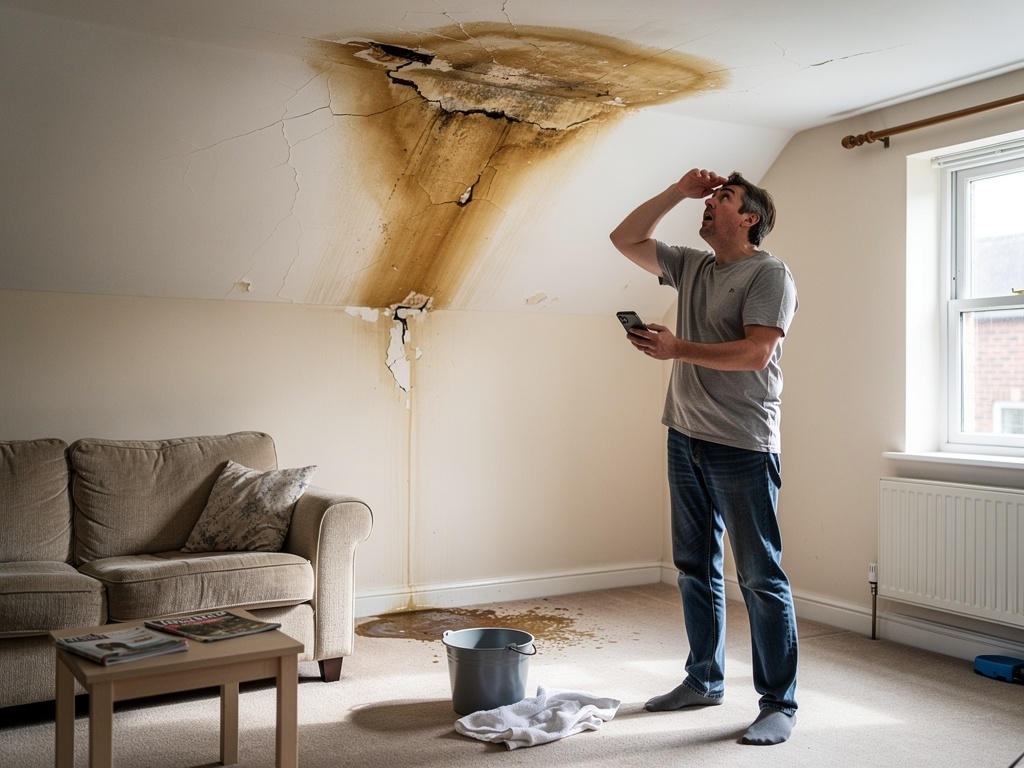
At Roof Surveyor London, we investigate roof leaks across the UK every week. And in our experience, the location of the leak rarely corresponds to where the water is appearing. Water is clever — it follows the path of least resistance through a roof structure, sometimes travelling several metres from the point of entry before it shows up as a ceiling stain.
This guide explains the most common causes of roof leaks in UK properties, how to identify the warning signs, and why an independent roof survey is often the most reliable way to locate the source.
The Most Common Causes of Roof Leaks in the UK
1. Failed Flashing
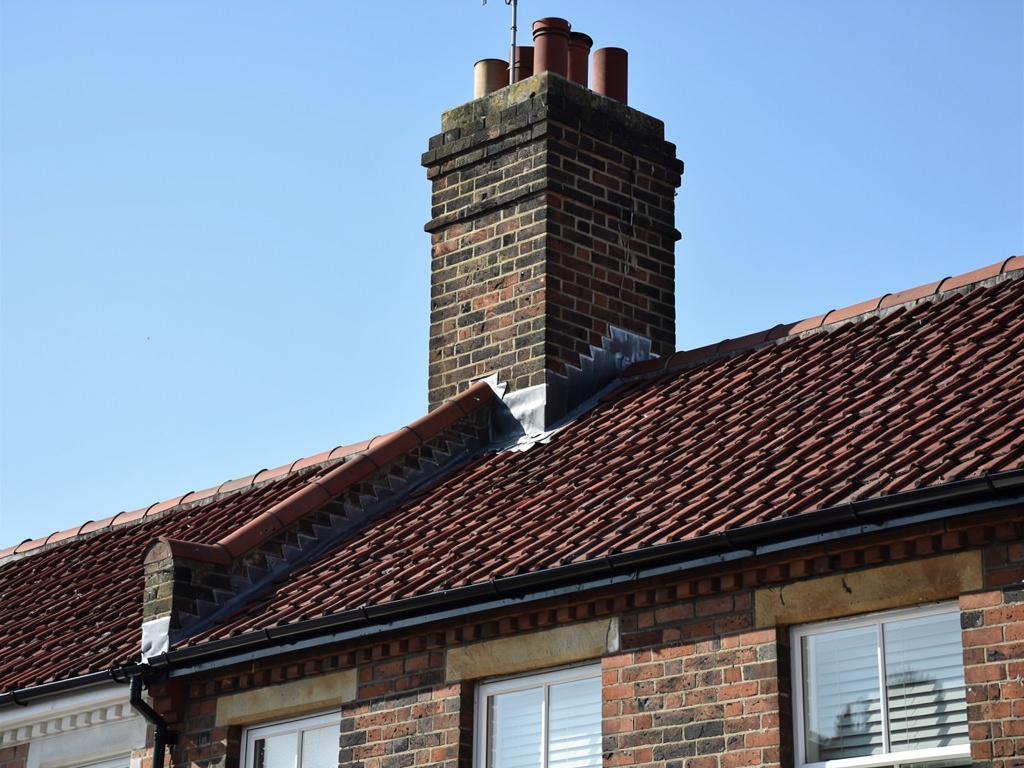
Flashing is the metal — usually lead, but sometimes aluminium or zinc — used to waterproof the joints where the roof covering meets a wall, chimney, dormer or skylight. It's one of the most vulnerable points on any roof and responsible for a significant proportion of the leaks we investigate. Lead flashing can crack with age and thermal movement; improperly installed flashing fails even sooner. When flashing fails, water tracks directly down the junction and into the structure.
2. Missing or Damaged Tiles
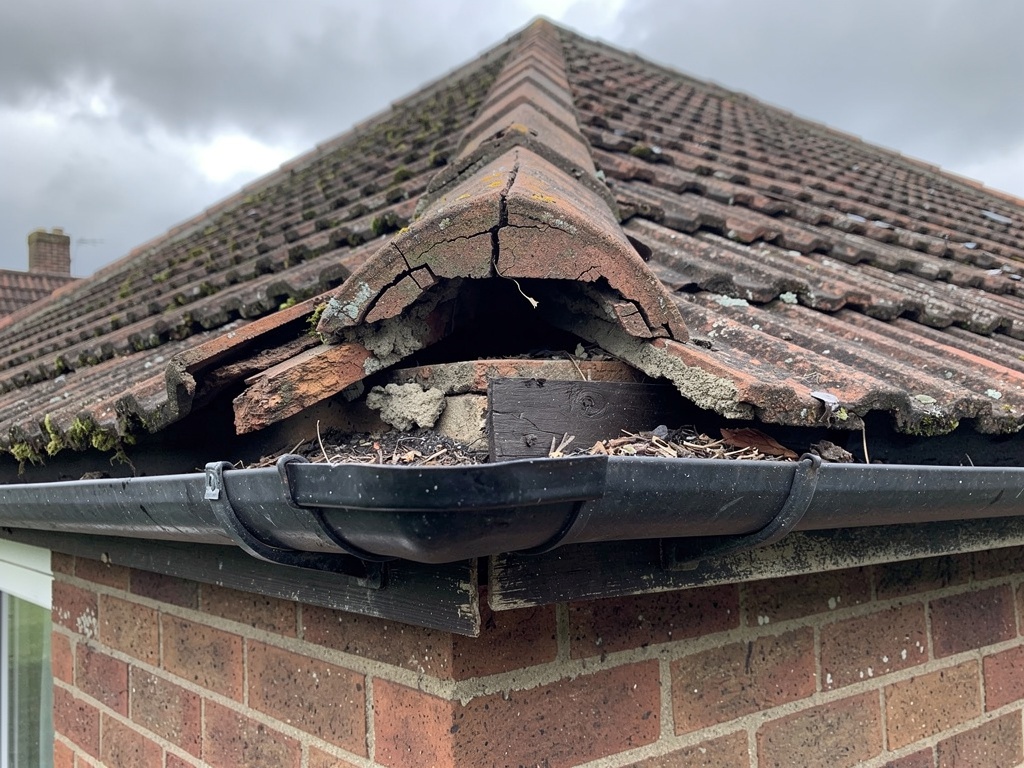
A single missing tile creates an opening through which wind-driven rain can penetrate. Even cracked or slightly slipped tiles can allow water ingress during heavy rainfall, particularly when combined with deteriorated underlining felt. This is the most visible roof defect and yet still frequently goes unnoticed — especially on properties where the roof isn't easily visible from street level.
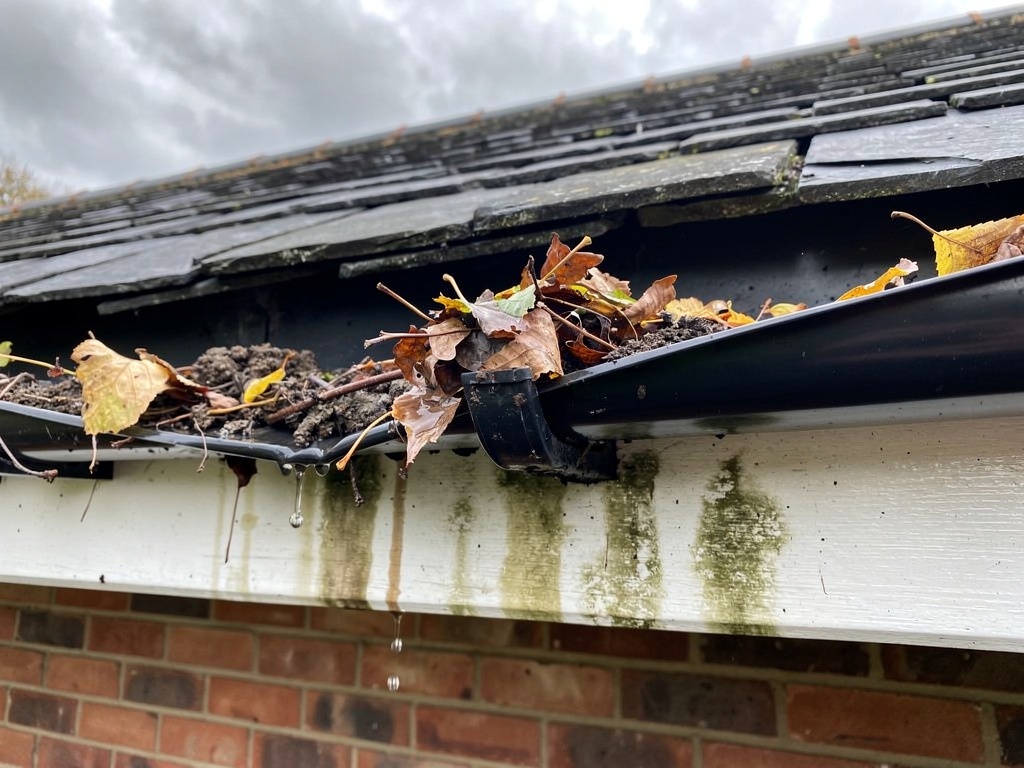
3. Blocked or Damaged Gutters
Blocked gutters cause water to overflow rather than drain away properly. That overflow saturates the top of the external wall directly below the gutter line, eventually causing damp penetration internally. Over time it also rots fascia boards and soffits, potentially allowing water into the roof space. In severe cases, chronic gutter overflow causes structural damage to the wall below.
4. Deteriorated Chimney Stack
Chimneys are inherently complex — they protrude through the roof covering, are exposed on all four sides, and typically include multiple potential water entry points: the mortar joints between bricks, the chimney pot bedding, the lead flashing around the base and the step flashing between chimney and roof slope. Any one of these can fail and allow water ingress. Chimney-related leaks are notoriously difficult to diagnose without specialist knowledge.
5. Flat Roof Blistering or Membrane Failure
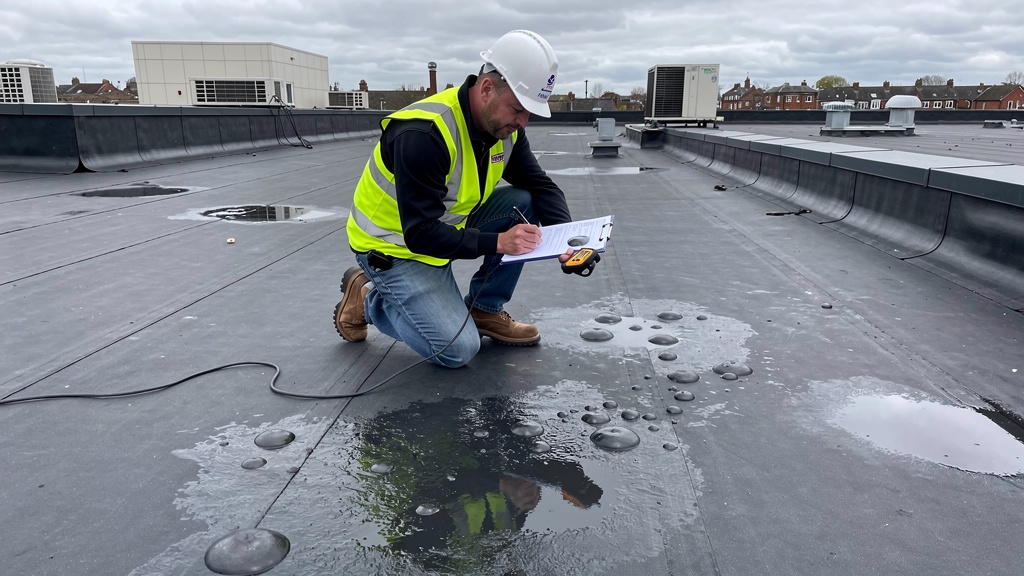
Flat roof leaks are common on extensions, garages and commercial buildings. Once a flat roof membrane blisters, cracks or lifts at the upstands, water ingress is almost inevitable. The insidious thing about flat roof leaks is that the water often pools within the flat roof structure before finding a route through — meaning visible internal damage can appear weeks or months after the initial membrane failure.
6. Condensation Mistaken for a Leak
Not all ceiling stains are roof leaks. A significant proportion of moisture problems in UK homes are caused by condensation rather than water penetration. Poor roof ventilation, inadequate loft insulation and changes in living patterns can all cause condensation to form on cold surfaces within the roof space and drip onto ceilings below. An independent survey can distinguish between condensation and genuine water penetration — important because the remedies are completely different.
Why You Need an Independent Surveyor to Find a Roof Leak
When a homeowner discovers a leak, the natural instinct is to call a roofer. But a roofer has a commercial interest in finding (and charging for) repairs. An independent roof surveyor has no such interest — our job is to identify and report the cause accurately, whatever that turns out to be.
We've seen numerous cases where a homeowner had paid a roofer to "fix a leak" multiple times without success, because the roofer was treating the visible symptom rather than the actual cause. An independent roof survey from Roof Surveyor London identifies the true source of the problem, saving our clients time, money and frustration.
What to Do If You Have a Suspected Roof Leak
- Document the internal damage with photographs — note the location of stains, their size and any pattern to when they appear (always after rain? Or present even in dry weather?)
- Check for obvious external signs — missing tiles, blocked gutters, visible damage around chimneys or dormers
- Commission an independent roof survey to locate the source professionally and accurately
- Use the survey report to obtain quotes from two or three reputable roofing contractors for the repair work