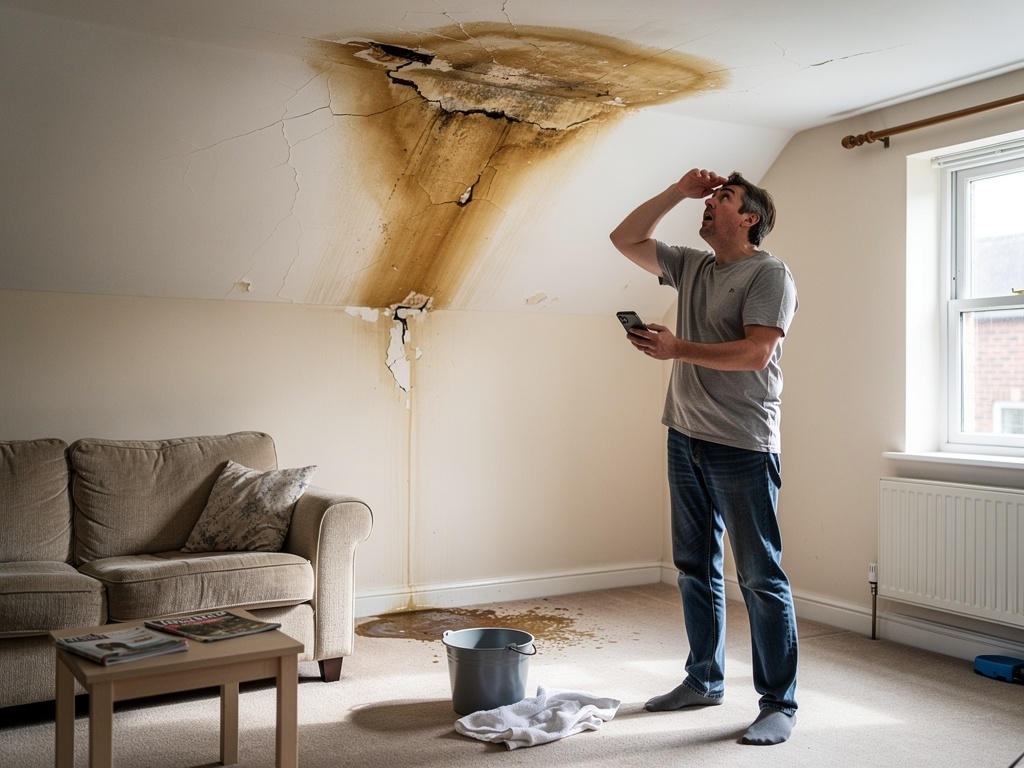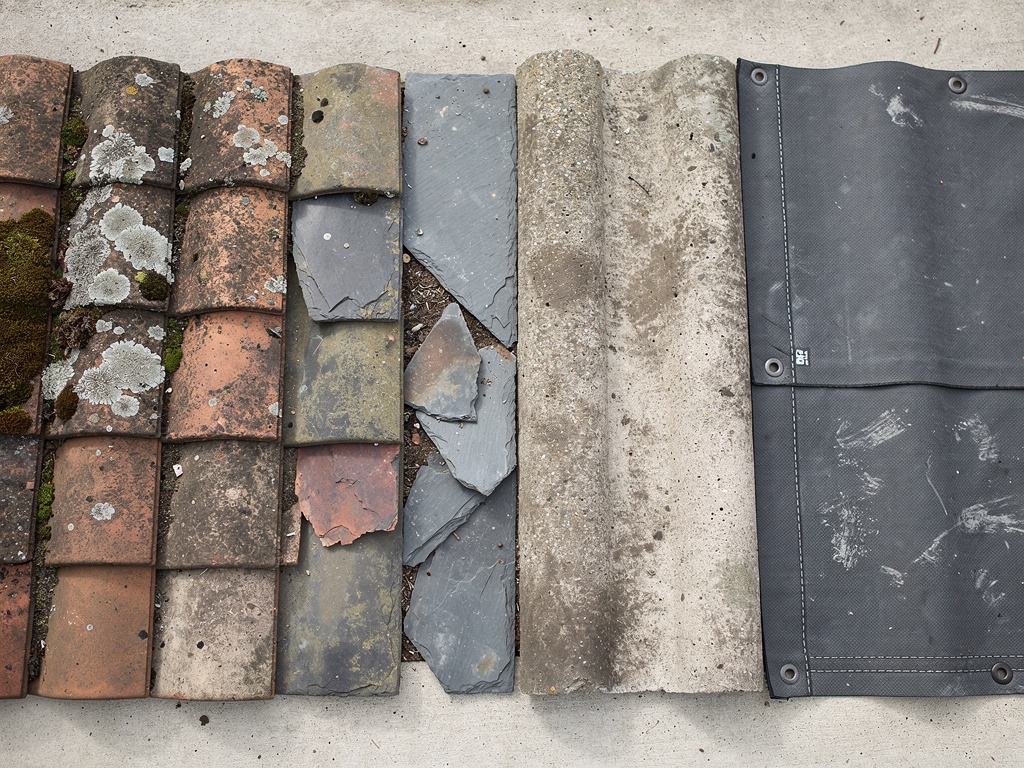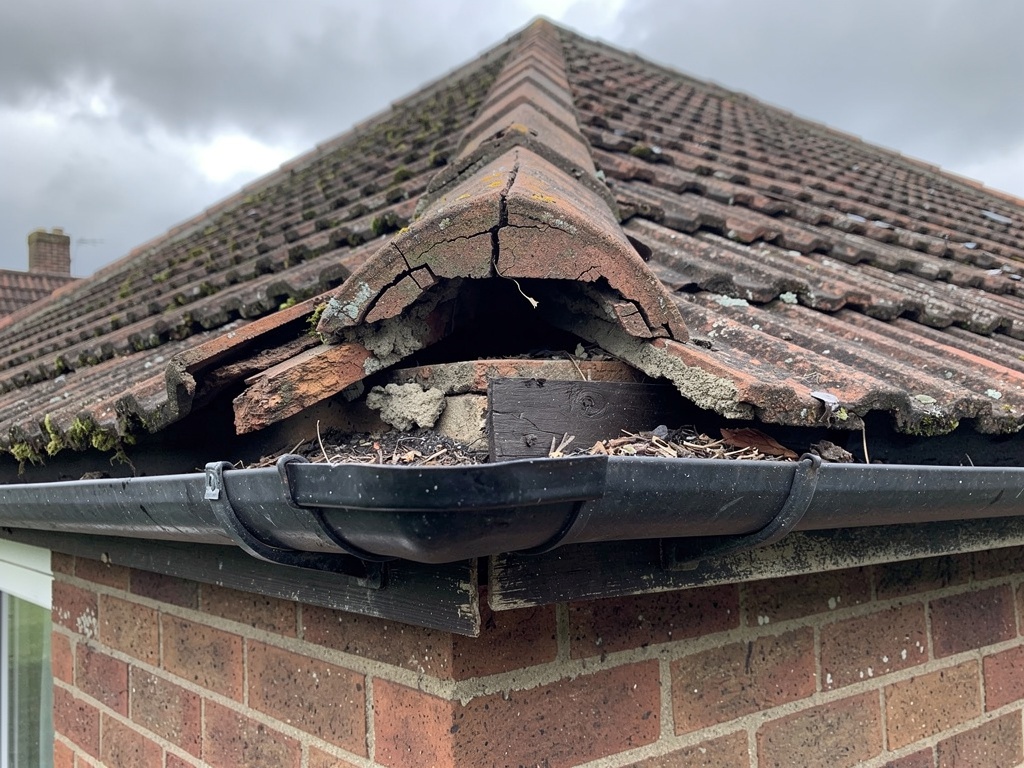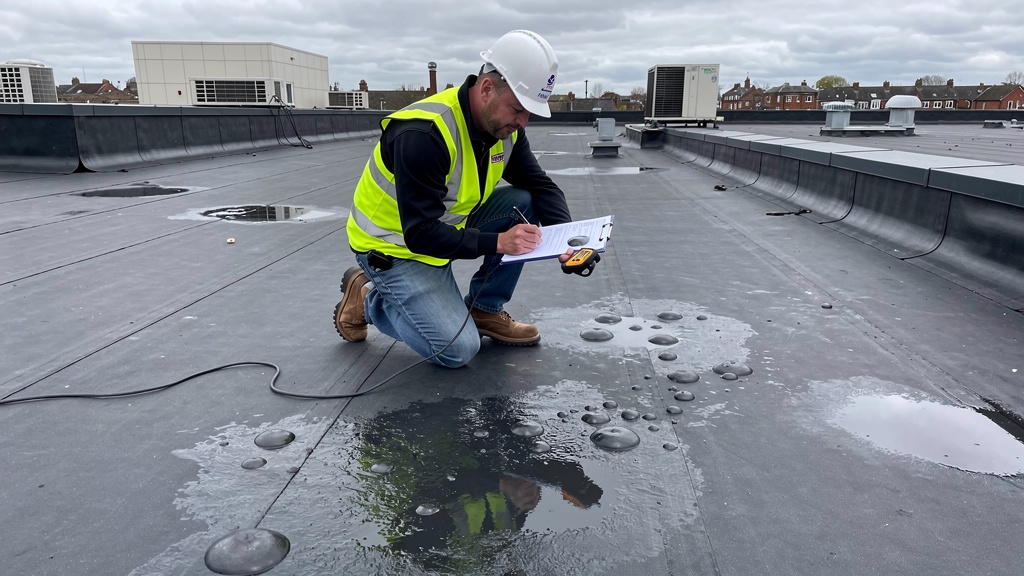
Flat roofs get a bad reputation in the UK. "Flat roofs are trouble," people say. And while it's true that a poorly specified or badly maintained flat roof can cause significant problems, the reality is that modern flat roofing systems — when properly installed and inspected — are perfectly reliable and long-lasting. The key word there is "inspected."
I've been specialising in flat roof surveys at Roof Surveyor London for over nine years. In that time, I've seen the full spectrum: beautifully maintained EPDM roofs on commercial buildings that have performed perfectly for 25 years, and three-year-old GRP extensions that were already failing due to poor installation. The difference, in almost every case, comes down to whether someone with the right expertise assessed the roof when they should have.
This guide covers everything you need to know about flat roof surveys in the UK — the different types of flat roofing systems, the most common defects, what an independent survey should cover and when you need one.
Types of Flat Roof Systems in the UK
Not all flat roofs are the same. The type of system affects both the expected lifespan and the specific defects to look for. Here are the main types our surveyors assess:
Built-Up Felt (BUR)
The traditional UK flat roofing system, built-up felt consists of multiple layers of bitumen-felt applied hot or cold. Common on older extensions and garages built before the 1990s. Typical lifespan is 10–15 years with maintenance. Very common defects include delamination, cracking and splitting at the laps and edges.
EPDM Rubber Membrane
Ethylene Propylene Diene Monomer (EPDM) is a synthetic rubber membrane increasingly popular for domestic flat roofs. Correctly installed, it can last 25–50 years and performs very well in the UK climate. Key defects to look for include poor bonding at seams, lifted upstands and punctures. A high-quality material that rewards proper inspection.
GRP Fibreglass
Glass Reinforced Plastic (GRP) roofing has become very popular for domestic extensions. It's seamless, durable and weather-resistant when correctly applied. However, poor workmanship at installation is relatively common and leads to cracking, delamination and adhesion failures — often within the first two to five years.
Liquid-Applied Membranes
Cold-applied liquid membranes offer seamless coverage and are used on both new build and refurbishment projects. Quality varies enormously depending on the product and application standard. Common defects include thin coverage, cracking around upstands and poor surface preparation failures.
Torch-On Felt
An evolution of traditional built-up felt, torch-on systems are applied using a blowtorch to bond layers together. Better performance than cold-applied felt, with a typical lifespan of 15–25 years. Defects include blistering, edge lifting and split seams.
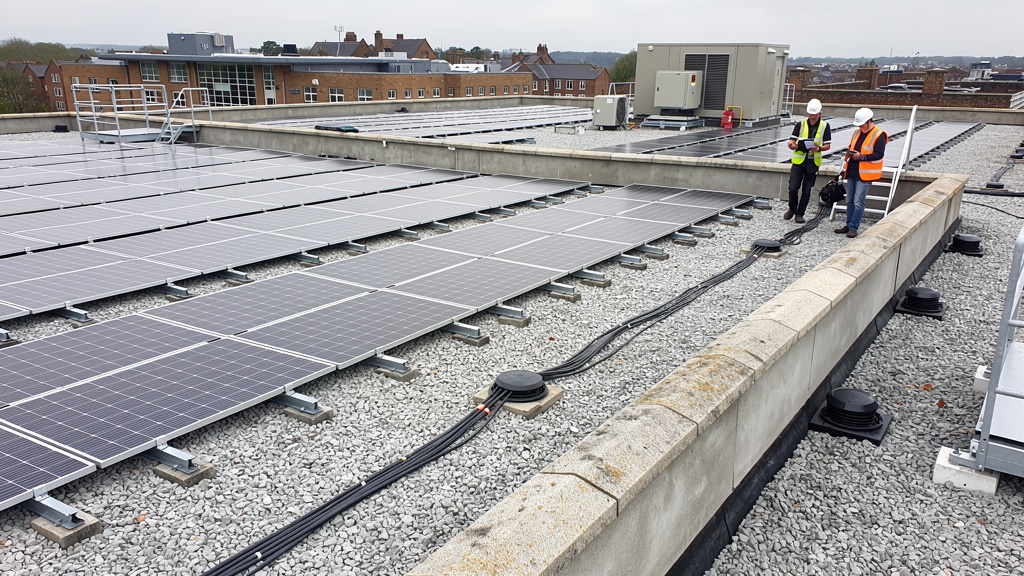
The Most Common Flat Roof Defects
Based on our flat roof surveys across the UK, here are the defects our surveyors find most frequently:
- Blistering: Bubbles or raised sections in the membrane, usually caused by trapped moisture or poor adhesion. Blistering indicates structural weakness in the membrane.
- Ponding water: Standing water on a flat roof surface indicates inadequate falls (slope) or blocked drainage. Ponding accelerates deterioration and adds structural loading.
- Split or cracked membrane: Splits allow direct water ingress. Often found at junctions, upstands and penetrations where movement stress is greatest.
- Failed upstands: The upstand is the vertical element where the flat roof meets a wall. Failed upstands are one of the most common entry points for water ingress.
- Blocked outlets and gutters: All flat roofs require drainage. Blocked outlets cause ponding and increase loading on the roof structure.
- Inadequate falls: Building regulations specify minimum falls for flat roofs. Insufficient falls (insufficient slope) lead to ponding and premature deterioration.
What a Professional Flat Roof Survey Covers
A specialist flat roof survey from Roof Surveyor London goes well beyond a visual check. Our surveyors assess:
- The condition and integrity of the entire membrane surface
- All upstands, abutments and flashings
- Drainage outlets, gutters and downpipes
- Surface falls and ponding areas
- Any penetrations (pipes, rooflights, conduits) and their weatherproofing
- Parapet walls and copings where present
- Evidence of previous repairs and their quality
- Structural condition where visible or accessible
We document everything with photographs and provide a clear written report with prioritised recommendations and cost guidance. The report is delivered within 48 hours of the inspection.
When Do You Need a Flat Roof Survey?
You should consider commissioning a professional flat roof survey in any of these circumstances:
- Before purchasing a property with a flat roof element
- Before selling, to demonstrate the roof's condition to prospective buyers
- If you've noticed any damp patches, staining or blistering on the surface
- If the flat roof is over 10 years old and has never been professionally assessed
- After a period of severe weather (particularly freeze-thaw cycles or high winds)
- For insurance assessment or reinstatement value purposes
- As part of a planned maintenance programme for a commercial or investment property
How Much Does a Flat Roof Survey Cost?
Flat roof surveys from Roof Surveyor London typically start from £349 for a standard domestic property. The cost depends on the size of the roof area and its complexity (number of drainage outlets, rooflights, penetrations, etc.). For commercial flat roofs, pricing is tailored to the specific building.
For full pricing guidance, get in touch for a free quote. We respond within 2 hours on working days and can provide a comprehensive survey within 3 to 5 working days in most UK locations.