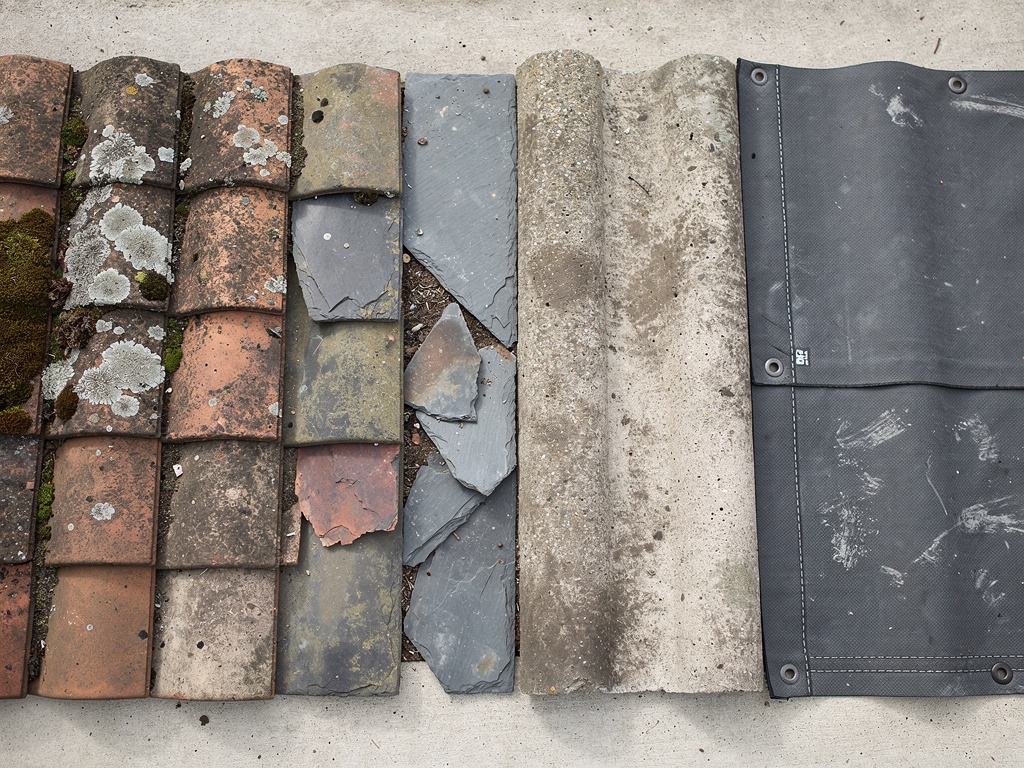
Most UK homeowners have no idea how old their roof is or what it's made of. They know it keeps the rain out — until the day it doesn't. Understanding the materials on your roof, how long they typically last, and what signs of deterioration to watch for is one of the most useful pieces of knowledge any property owner in the UK can have. This guide covers every major roofing material found in British homes, with honest lifespan estimates, common failure modes, and guidance on when to get a professional roof survey.
Why Roof Material Matters So Much
Your roof's material determines almost everything about its maintenance requirements, its vulnerabilities, and how much life it has left. A natural Welsh slate roof on a Victorian terrace might still be perfectly sound after 130 years, while a felt flat roof on a 1980s kitchen extension may have been failing for the last decade. Understanding what you have — and what the material's natural end-of-life signs look like — lets you make informed decisions rather than expensive reactive ones.
In the UK, roofing materials vary widely depending on the age and region of the property. Victorian and Edwardian properties typically have natural slate or clay plain tiles. Inter-war and post-war properties often have concrete interlocking tiles. Modern properties use a mix of concrete, clay, and synthetic tiles, with flat-roof extensions covered in felt, EPDM rubber, GRP fibreglass, or PVC membrane. Each has its own characteristics, strengths, and failure patterns.
Quick Reference: UK Roof Material Lifespans
| Material | Typical Lifespan | Key Vulnerability |
|---|---|---|
| Natural Welsh Slate | 80–150+ years | Nail sickness, delamination |
| Reconstituted / Artificial Slate | 30–50 years | Fading, brittleness, nail failure |
| Clay Plain Tiles | 60–100+ years | Frost damage, nibs breaking |
| Concrete Interlocking Tiles | 30–60 years | Surface erosion, colour loss, moss |
| Clay Pantiles | 50–80 years | Mortar failure, frost damage |
| Felt (traditional 3-layer) | 10–20 years | Cracking, blistering, seam failure |
| EPDM Rubber Membrane | 25–50 years | Upstand failure, seam lifting |
| GRP Fibreglass | 25–40 years | Cracking at trim, poor falls |
| Lead (pitched) | 60–100+ years | Theft, thermal cracking |
| Zinc / Copper | 60–80+ years | Corrosion if mixed metals used |
Natural Slate
Natural Slate
80–150+ yearsNatural slate is one of the most durable roofing materials in existence, and a well-maintained natural slate roof on a Victorian or Edwardian property can be perfectly functional well into the 21st century. Welsh, Spanish, and Cumbrian slates are the most common varieties found in UK properties. Their durability is legendary — some cathedral roofs retain original medieval slates.
The primary failure mode for natural slate is not the slate itself but the nails used to fix it. Iron or steel nails corrode over time in the acidic runoff from the slate, eventually failing to hold the slate in place. This is known as "nail sickness", and it's the reason many old natural slate roofs need replacing or re-fixing even though the slates themselves are in excellent condition. A skilled roofer can often re-fix slates using new fixings, significantly extending the roof's life.
The second failure mode is delamination — natural slate splits along its grain layers, and when this happens to a significant proportion of the roof, replacement becomes necessary. On a survey, we look at the percentage of delaminated slates and the condition of the remaining fixings to assess whether repair or replacement is the more economical path.
Survey indicator: More than 20% of slates showing delamination, lifting or nail sickness suggests the roof is approaching end-of-life and a full condition assessment is overdue.
Clay Tiles
Clay Plain Tiles & Pantiles
60–100+ yearsClay tiles are the other great survivor of traditional British roofing. Well-fired clay tiles are highly resistant to frost, acid rain, and biological growth, and the best examples have been covering UK rooftops for 100 years or more without significant deterioration. They are commonly found on Victorian terraces, Arts and Crafts homes, and inter-war suburban housing across much of England and Wales.
The vulnerabilities of clay tiles depend significantly on their quality and age. Lower-quality Victorian tiles, or tiles that have been exposed to repeated freeze-thaw cycles, can develop internal spalling — where frost causes the surface of the tile to flake away. When this has progressed far enough, the tile loses its ability to shed water effectively and its structural integrity. Similarly, the nibs (the small projections that hook the tile onto the roofing batten) can break over time, causing individual tiles to slip out of position.
Mortar bedding on clay roof features — ridges, hips, valleys and verges — has a much shorter life than the tiles themselves, typically 20–40 years, and failing mortar is one of the most common repair requirements we identify on clay tile roofs. Repointing mortar joints is a relatively modest repair when caught early, but if open joints allow water into the roof structure over years, the secondary damage can be extensive.
Survey indicator: Widespread tile surface spalling, multiple slipped tiles, or extensive areas of open or missing ridge mortar indicate the roof needs professional assessment urgently.
Concrete Interlocking Tiles
Concrete Interlocking Tiles
30–60 yearsConcrete interlocking tiles became the dominant roofing material for new-build housing in the UK from the 1960s onwards and remain extremely common. They are harder wearing than felt or membrane flat roofing, cost-effective, and quick to install — hence their widespread use by volume housebuilders. They are typically found on post-war housing estates, 1970s–1990s developments, and many modern homes.
The Achilles heel of concrete tiles is their surface coating. Unlike fired clay, concrete is porous, and the surface treatment applied at manufacture gradually erodes over decades of UV exposure, acid rain, and freeze-thaw cycling. As the surface coating deteriorates, the tile absorbs moisture, becomes heavier, and supports moss and lichen growth more readily. Heavily mossy concrete tile roofs are a common sight in the UK — and the moss itself accelerates deterioration by holding moisture against the tile surface and mechanically lifting the surface with its root structure.
Concrete tiles also tend to become more brittle with age, making them more vulnerable to mechanical damage from access, falling debris, or thermal stress. A survey of a 1980s or 1990s concrete tile roof will typically identify some degree of surface erosion, cracking, or tile displacement, with recommendations for treatment or replacement depending on severity.
Survey indicator: Extensive moss coverage, widespread surface erosion (tiles looking rough and grey rather than smooth), or a high proportion of cracked or displaced tiles suggest the concrete tile roof is approaching replacement age.
Flat Roof Materials
Traditional Felt (3-Layer)
10–20 yearsTraditional three-layer felt is the oldest form of flat roofing widely used in UK domestic construction. It was the standard material for flat roof extensions, garage roofs, and dormer cheeks from the post-war era through to the 1990s. It is formed from layers of bituminous felt, torched or cold-bonded together, with mineral chippings or a mineral surface on the top layer to protect against UV degradation.
Traditional felt has a relatively short working life — typically 10 to 20 years, depending on the quality of installation and maintenance. Common failure modes include blistering (where trapped moisture vapour causes bubbles in the surface), cracking along seams or around upstands, shrinkage causing the membrane to pull away from perimeter details, and surface degradation allowing UV light to penetrate and embrittle the lower layers.
It is one of the first things we look for on a survey of any property built before 2000 that has a flat roof section. A significant proportion of the traditional felt flat roofs in the UK residential stock are at or past end-of-life, and water ingress from these roofs is responsible for an enormous amount of secondary damage to ceilings, walls, and structural timbers each year.
Survey indicator: Any traditional felt flat roof over 15 years old should be professionally assessed. Visible blistering, cracking, ponding water, or dampness in the room below are all urgent indicators.
EPDM Rubber Membrane
25–50 yearsEPDM (Ethylene Propylene Diene Monomer) rubber has largely replaced traditional felt as the preferred material for new flat roof installations in the UK over the past two decades. It is a single-ply membrane, typically 1.2mm or 1.5mm thick, which is glued, mechanically fixed, or ballasted in place. Properly installed, EPDM is an excellent flat roofing material — flexible, UV-resistant, and capable of lasting 40 to 50 years with minimal maintenance.
The critical failure points are almost always at the details rather than in the membrane field itself. Upstand flashings where the membrane meets a wall or parapet, penetration details around pipes and drainage outlets, and seams between membrane sections are where most EPDM leaks originate. A survey of an EPDM flat roof concentrates heavily on the quality and condition of these details — looking for lifted edges, failed adhesive, open seams, or perished sealant at trim lines.
Survey indicator: Any water ingress from an EPDM flat roof should be investigated promptly — the repair area is usually small if caught early, but secondary damage can spread quickly if water finds its way into the roof build-up.
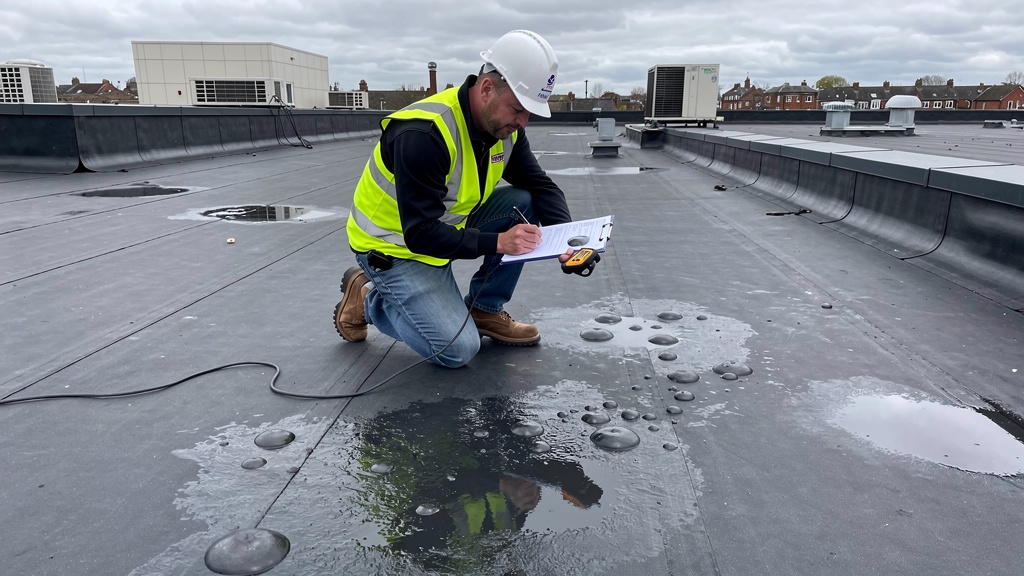
How a Professional Roof Survey Assesses Material Condition
Knowing the material is just the starting point. Assessing its actual current condition — and predicting how much useful life it has remaining — requires close inspection by a specialist. When Roof Surveyor London assesses a roof, we don't just identify the material type and apply a generic lifespan estimate. We assess the specific condition of that roof, taking into account its maintenance history, exposure to weather, quality of original installation, and any previous repairs.
Our reports use a clear condition rating for each roof element: Good (no action required), Fair (monitor, maintenance in next 1–3 years), Poor (repair required within 12 months), and Critical (urgent repair required immediately). Each rating is supported by photographs and a plain-English description of what we found and what we recommend. This gives homeowners, landlords, and property buyers a genuinely useful planning tool — not just a vague observation that "the roof is old".
Don't Know What Your Roof Is Made Of?
Many homeowners simply don't know the material or age of their roof. If you're not sure, our surveyor will identify the material, assess its condition, and tell you exactly how much life it has left — giving you the information you need to plan and budget effectively. It's one of the most useful things any property owner can know.
Can I mix old and new slates when repairing a natural slate roof?
How do I know if my concrete tile roof needs replacing or just treating?
What is the most durable flat roof material available in the UK today?

James has assessed thousands of roofs across every material type found in British properties, from medieval clay plain tiles in the Cotswolds to modern EPDM flat roofs on new build housing estates. His material expertise informs every survey report written by the Roof Surveyor London team.
Find Out How Much Life Your Roof Has Left
Book an independent specialist roof survey. We'll assess your roof's material condition and give you a clear picture of what's needed and when.